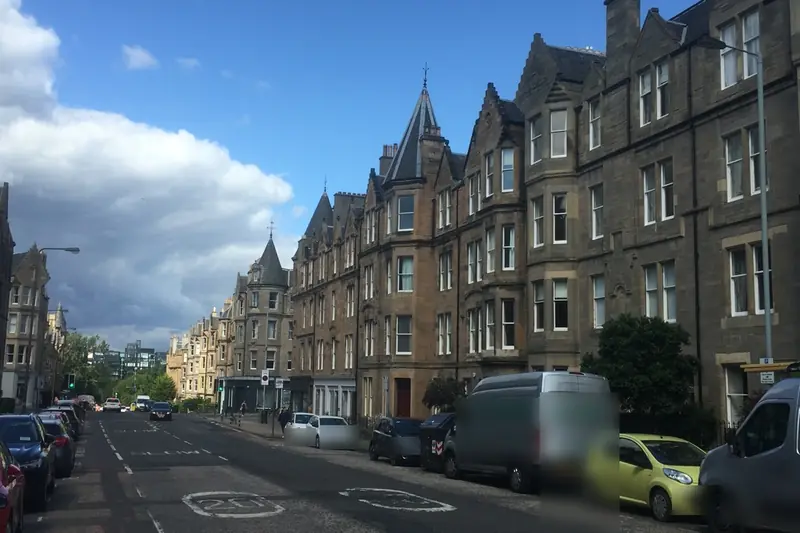
Plumbing and heating in Edinburgh's tenements and older homes
Edinburgh tenement plumbing is shared plumbing: one supply pipe, one stack and one roof often serve the whole stair, so these pages start with who owns what and what to do first.
A website, not a plumber · Updated
This winter on the stair
Dated reminders for the cold months, checked against official advice on 5 November 2026. They don't change year to year, so the dates are seasons, not news.
Before the first frost
Met Office 1991–2020 averages give Edinburgh Gogarbank 48.01 air frost days a year, with December the frostiest month.
Source: Met Office · Frozen pipes in stone tenements
Early November
Find your stop valve and check it turns. Scottish Water says it is most often under the kitchen sink and normally closes clockwise.
Source: Scottish Water (archived copy) · Finding your stopcock
Before December
Have every gas appliance checked once a year by a Gas Safe registered engineer, as SGN advises, and test the CO alarm.
Source: SGN · Gas smell and carbon monoxide
Going away at Christmas
Without frost protection, Home Energy Scotland suggests keeping the thermostat at 10°C with the programmer running, and asking someone to check the flat.
Source: Home Energy Scotland · This winter
Hard frosts
Vaillant says an F28 or F29 code on its boilers can mean a frozen condensate pipe; warm water, never boiling, on a pipe you can reach from the ground.
Source: Vaillant · Frozen condensate pipe
Late winter
The council's Edinburgh Shared Repairs Service gives free advice on organising common repairs. It does not give grants for repairs.
Source: City of Edinburgh Council · Council shared repairs help
Up the stair: pages by where the problem is
Behind your own door: In your flat
 Finding your stopcock before you need itThe stopcock in a tenement flat, which Scottish Water calls the internal stop valve, is usually under the kitchen sink,…
 A burst pipe: the first fifteen minutesWith a burst pipe, what to do first is shut your stop valve by turning it clockwise, keep water away from electrics,…
 Radiator cold at the top? Let the air outA radiator cold at the top but warm lower down usually has trapped air, and bleeding it once the heating has cooled, as…
 The boiler in your tenement flatA boiler in a tenement flat normally belongs to the flat it heats, and every job on it, from the yearly service to a…
 Frozen condensate pipe in a tenement flatA frozen condensate pipe can stop a condensing boiler, and the maker-approved fix is warm, never boiling, water on the…
 Condensation and damp in a stone tenementCondensation in a tenement flat is a sign of too much moisture in the air indoors, and Historic Environment Scotland…
 Refitting a bathroom in a tenement flatA building warrant for a bathroom in an Edinburgh flat depends on the job: like-for-like swaps and moving a fitting…
 When the tap water looks or tastes wrongEdinburgh tap water that turns brown, cloudy or tastes of chlorine is usually temporary and harmless, says Scottish…
Where flats meet: Between flats
 Water coming through the ceiling from upstairsWater leaking into the flat below is usually stopped fastest at the source: knock on the door upstairs, keep away from…
 Weak water at the top of the stairLow water pressure in a top-floor flat usually comes from old, narrow or shared internal plumbing rather than the…
 Shared pipes and the Tenements (Scotland) ActThe Tenements (Scotland) Act 2004 treats a pipe serving two or more flats as common property of those flats, and its…
 Blocked drains in a tenement: whose problem is it?A blocked drain in a tenement is paid for by whoever's pipe it is: your own sink trap and waste pipe are yours, while…
 Frozen pipes in stone tenementsFrozen pipes in a tenement flat need a slow thaw: shut the stop valve, open the cold taps but never the hot, and warm…
Roof to back court: The whole building
 Who owns which water pipe in a tenement?Who is responsible for water pipes in Scotland depends on where the pipe sits: Scottish Water up to and including the…
 Lead pipes in Edinburgh tenementsLead pipes in Edinburgh are most likely in homes built before 1970, and Scottish Water and the drinking water regulator…
 Getting council help with a shared repairEdinburgh shared repairs help comes mainly from the council's Edinburgh Shared Repairs Service, which gives private…
 When a neighbour won't pay: Edinburgh's missing sharesThe missing shares scheme in Edinburgh lets the council consider paying a non-paying owner's share of a common repair,…
 Plumbing and heating work on listed buildingsA listed building boiler flue in Edinburgh may need listed building consent if it affects the building's character, and…
 Can a tenement flat have a heat pump?A heat pump in a tenement flat is hard to arrange alone, because Scottish Government analysis says individual units…
When to get help: Safety, money and help
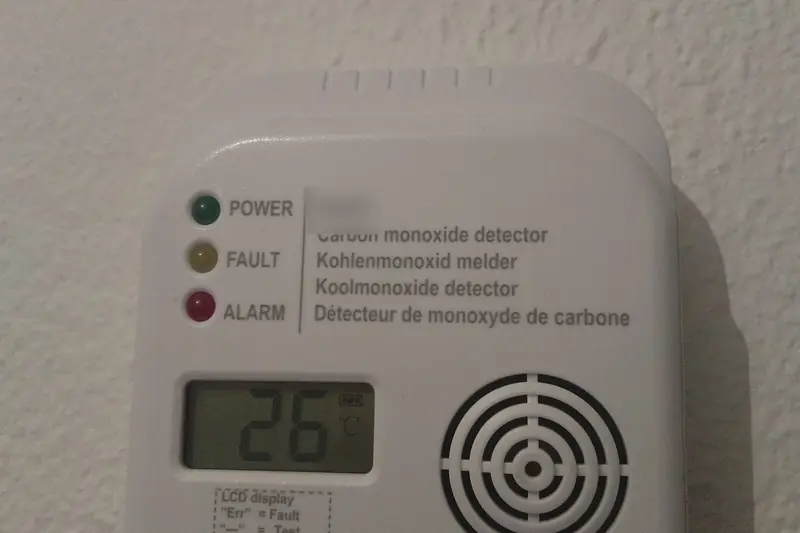 Smell gas or hear a CO alarm? Leave firstIf you smell gas in your flat or the close, touch no switches, light nothing, open doors and windows on your way out,…
 Hiring a plumber or gas engineer for your flatFor a Gas Safe engineer check, take the licence number from the engineer's Gas Safe ID card and look it up on the…
 Home Energy Scotland grants and loans for flatsHome Energy Scotland grant and loan funding, as its page read on 5 November 2026, offered owner-occupiers up to £7,500…
Around town
Six parts of the city with very different older homes. The advice on every page applies citywide; these pages say what is typical of each area's buildings, from the council's own conservation area appraisals.
 Old TownThe council's appraisal says Old Town homes are still largely tenements, usually four or five storeys high.
 New TownBuilt between 1767 and 1890, its main form is a tenement block over a sunken basement.
 LeithThe council describes Leith Walk as mainly Victorian tenements with shops and pubs at street level.
 MarchmontMarchmont's 1876 feuing plan was all four- or five-storey tenements, completed by around 1914.
 StockbridgeThe Stockbridge Colonies, begun in 1861, have their own conservation area and Category B listing.
 Gorgie & DalryIn the Dalry Colonies, built 1868–1870, each block of four flats originally shared one water tank.
What this site covers
Pages on this site explain how water, drains and heating work in a tenement flat or an older Edinburgh house, and what Scotland's own rules say about them. Each page answers one question, links the official source it relies on, and says who deals with the problem: Scottish Water, the owners in the stair, the council, a Gas Safe registered engineer or Home Energy Scotland.
It is written for owners and tenants alike. If you rent, the first call on anything to do with the building is your landlord, letting agent or council landlord.
What this site is not
It is a website you read. It is not a plumber or heating engineer, takes no calls, books no work and has no connection with any Edinburgh plumbing firm with a similar name. Read about this site for how pages are checked.