Gas safety
Smell gas or hear a CO alarm? Leave first
If you smell gas in your flat or the close, touch no switches, light nothing, open doors and windows on your way out, and call 0800 111 999 once you are outside.
By the Pipes Up the Stair site team · how pages are checked · Updated
That is this site's rule, kept deliberately simple. In a stone tenement a leak is everyone's problem, so get yourself and anyone with you out to the street or back green before you phone.
The number belongs to the National Gas Emergency Service, a free 24-hour helpline run for Scotland by SGN. SGN says to call it if you can smell gas, think there may be a leak, or suspect carbon monoxide.
What should you do first if you smell gas?
Get out, and do the few safe things on the way. Don't flick lights on or off, don't ring doorbells and don't strike a match or light a cigarette. Open doors and windows as you leave, get everyone out of the flat, then call 0800 111 999 from outside.
Why does this site say leave before you call?
Because a spark is the danger and you can't fix a leak yourself. SGN's own list warns that turning a switch on or off could ignite a gas leak, and it says never to go down into a cellar, even if that is where the meter sits. Our advice goes one step further: don't stop to hunt for valves or fiddle with the cooker or boiler. Leaving first and calling from the pavement is this site's advice, not wording from SGN or HSE.
What if the smell is in the common stair?
Treat it the same way. Walk out of the close rather than lingering on the landing, knock on doors you pass on your way down, without stopping or going back up. Don't use bells or the entry phone, and call once you are outside.
What happens after you call?
An emergency engineer is sent out. SGN says the engineer will carry ID and will need to get in to make the property safe. Wait outside for the emergency engineer, keep others from going back in, and show them where the smell was strongest.
What should you do if a carbon monoxide alarm goes off?
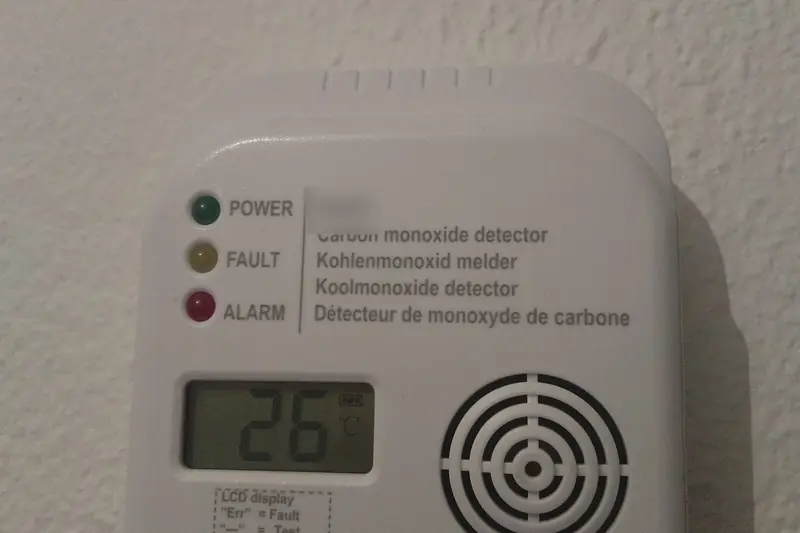
Everyone out into fresh air, then phone 0800 111 999 from outside. SGN lists opening all doors and windows, moving everyone into fresh air and calling that number; open what you pass on the way rather than going back for the rest. If someone has collapsed or has severe symptoms, SGN says call 999. Nobody should go back inside to switch appliances off.
- 1No switches, no flames, no doorbells
- 2Open doors and windows as you leave
- 3Get everyone out of the flat
- 4Call 0800 111 999 from outside
- 5Wait outside for the emergency engineer
How would you know carbon monoxide was there?
Often you wouldn't, which is why the alarm matters. SGN points out that you can't see, smell, hear or taste it. Symptoms it lists include headaches, nausea, dizziness and breathlessness; if they ease when you are away from home, SGN says go straight to hospital. HSE adds that early symptoms are easily mistaken for flu, food poisoning or tiredness, and lists warning signs such as yellow or orange rather than blue flames, soot or staining, and more condensation on windows. HSE puts the toll at around 7 deaths a year from gas appliances and flues.
Where must carbon monoxide alarms go in a Scottish flat?
In every room with a fixed combustion appliance or a flue. Scotland's tolerable standard guidance asks for CO detectors in all rooms with a fixed combustion appliance, not cooking-only ones, or a flue, sited 1 m to 3 m from the appliance and not in a cupboard. Since 1 February 2022 that applies to all houses in Scotland.
How do you keep gas appliances safe through the year?
Have them checked every year by a Gas Safe registered engineer, as SGN advises. HSE says it is illegal to use a gas appliance you suspect is unsafe, so stop using anything that worries you and get it looked at. Landlords must arrange a yearly gas safety check; our page on hiring a plumber or gas engineer covers how to check a card.
Asked on the stair
Does a gas hob or cooker need its own CO alarm?
Not under the tolerable standard. The guidance excludes appliances used solely for cooking, but a boiler, gas fire or any room with a flue still needs one.
What if the smell has gone by the time you are outside?
Call anyway. SGN's line is for anyone who smells gas or thinks there may be a leak, and an engineer can check it properly.
Will a smoke alarm warn you about carbon monoxide?
No. SGN says a smoke detector is not a carbon monoxide detector, and recommends a CO alarm made to BS EN 50291.
Who arranges the gas safety check if you rent your flat?
Your landlord. HSE says landlords need a yearly check by a Gas Safe engineer and must give existing tenants a copy of the record within 28 days.
Where this comes from
- SGN: Smell gas — emergency number, switches, cellars, engineer ID
- SGN: Gas safety — call 999 if someone collapses
- SGN: Carbon monoxide — symptoms, smoke alarm is not a CO alarm, yearly checks
- HSE: Carbon monoxide — warning signs, around 7 deaths a year
- HSE: Gas safety FAQs — using an unsafe appliance is illegal
- HSE: Landlords FAQs — yearly check, copy within 28 days
- Scottish Government: Tolerable standard, fire and CO detection — which rooms, siting, battery
- Scottish Government: CO alarms guidance — applies to all houses from 1 February 2022